Outdoor projects need fasteners that can handle rain, heat, humidity, and changing weather. A screw or nail that works indoors may rust or weaken when used outside. The wrong fastener can also stain the wood, damage the material, or cause parts of the project to loosen. Whether you are building a deck, fence, patio cover, or another outdoor structure, the fastener must match the material and the job. Cardinal Lumber carries fasteners in Patterson for many residential, commercial, and outdoor projects.
Start With the Type of Project
The right fastener depends on what you are building. A small garden box does not need the same fasteners as a deck frame. Decks, fences, docks, stairs, railings, and outdoor structures must hold weight and stand up to movement caused by wind and weather. Some parts may need screws, while others may call for nails, bolts, anchors, or metal connectors. Check the building plan and product instructions before buying supplies. Structural work may also need to meet local building rules.
Choose Fasteners Made for Outdoor Use
Indoor screws and nails are not made to stay wet. They may rust after being exposed to rain or humid air. Outdoor fasteners have coatings or are made from metals that resist corrosion. Common choices include hot-dipped galvanized, stainless steel, and coated fasteners. Stainless steel offers strong rust resistance and can be a good choice for wet or coastal areas. Galvanized fasteners have a protective zinc layer. Coated screws are often made for decks, fences, and other outdoor wood projects. The package should clearly state that the fastener is approved for exterior use.
Match the Fastener to the Material
Each building material needs the right type of fastener. Wood, metal, concrete, and masonry have different needs. Wood screws have threads made to grip wood. Metal screws are designed to connect metal parts or attach materials to metal framing. Concrete and brick may need masonry screws or anchors made for hard surfaces. A fastener that works well in softwood may not be right for steel, concrete, or brick. The material’s thickness and strength also affect the choice. Read the label to see which surfaces the fastener is made to join.
Use Compatible Fasteners With Treated Lumber
Pressure-treated lumber contains chemicals that help protect the wood from moisture, decay, and insects. Some of these chemicals can react with the wrong type of metal and cause fasteners to corrode. Fasteners used with pressure-treated lumber must be approved for contact with that product. Hot-dipped galvanized and certain stainless-steel fasteners are often used, but the lumber maker’s directions should guide the choice. The connectors, washers, and other metal parts should also be compatible with the treated wood.
Select the Correct Length and Size
A fastener must be long enough to pass through the first material and grip the supporting piece. A fastener that is too short may not hold the parts together. One that is too long may pass through the other side or split the wood. Thickness also matters. Heavy structural parts may need thicker screws or bolts, while trim and light boards may use smaller fasteners. The plans or product instructions may state the needed diameter, length, and spacing. For load-bearing work, ask a contractor or building professional to confirm the correct size.
Know When to Use Screws or Nails
Screws have deep threads that grip the material and resist pulling out. They are often used for deck boards, fence boards, outdoor furniture, and parts that may need to be removed later. Nails can be useful for framing, sheathing, siding, and other work where the approved building plan calls for them. Nails can handle certain side-to-side forces well, while screws may offer stronger pull-out resistance. Neither option is best for every project. The project plan and material maker should state which type is needed.
Check the Fastener Head and Drive
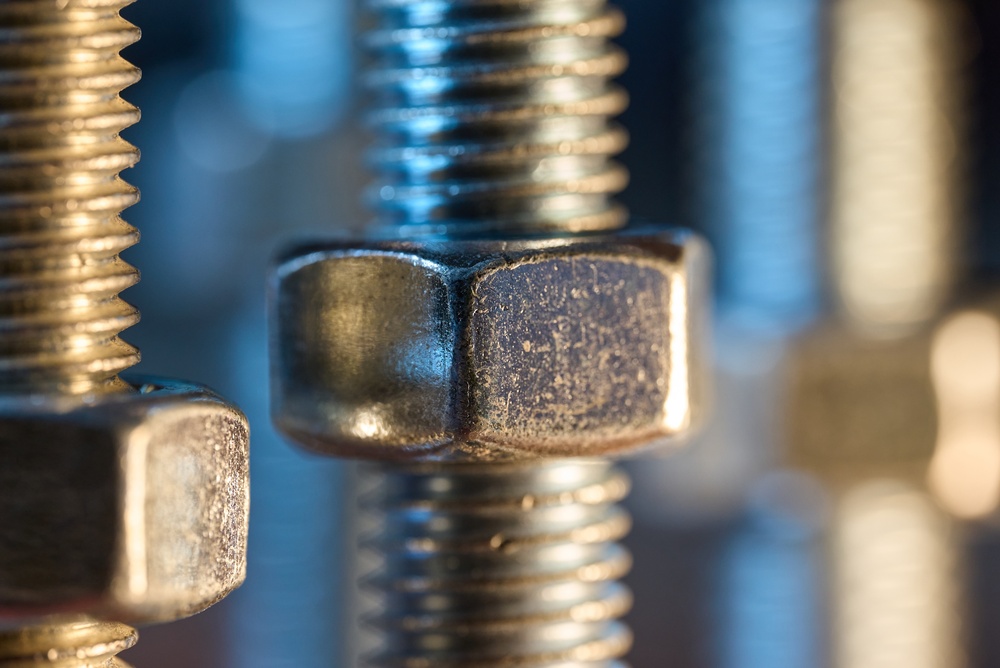
Fasteners come with different head and drive styles. A flat-head screw can sit level with the surface, while a washer-head screw spreads pressure across a wider area. Hex-head fasteners are often used for roofing and other projects that need a strong hold. The drive is the shape used to turn the screw. Some drives provide a better grip and are less likely to slip during work. The head should fit the material and the finish you want. It must also work with the correct bit or tool.
Do Not Forget Connectors and Washers
Many outdoor structures need more than screws and nails. Joist hangers, post bases, brackets, bolts, nuts, and washers may be needed to connect larger parts. These products must work together as a system. A connector maker may require a certain nail or screw type. Using a different fastener can reduce the connector’s strength. Roofing projects may need screws with sealing washers to help block water. Deck and fence projects may need washers that spread pressure and protect the wood.
Look for Signs of Corrosion
Outdoor fasteners should be checked as the project ages. Rust, dark stains, loose boards, and damaged coatings may show that a fastener is failing. Coastal air, standing water, and contact with certain chemicals can speed up corrosion. Replacing damaged fasteners early may help prevent larger repairs. If several fasteners show wear, a contractor can inspect the full structure and find out if the fastener type is suitable for the environment.
Find Fasteners in Patterson
The right fastener must match the project, building material, weather exposure, and amount of weight it will hold. Exterior ratings, corrosion resistance, length, head style, and material compatibility all affect how well it performs.
Cardinal Lumber supplies fasteners in Patterson, along with pressure-treated lumber, metal roofing products, hardware, tools, adhesives, and other jobsite supplies. The team can help you compare products based on your material list and project needs. Contact Cardinal Lumber today or request an estimate for the supplies needed to complete your outdoor project.