Plywood is used for many building and home projects. It can be used for roof decking, wall sheathing, subfloors, cabinets, shelves, and furniture. Yet not every sheet of plywood is made for the same job. The right choice depends on where the plywood will go, how much weight it must hold, and if it may come into contact with water. When shopping for Plywood in Patterson, knowing a few basic facts can help you choose a product that fits your project.
Start With the Type of Project
Begin by thinking about what you are building. A sheet used under a roof must handle different conditions than one used for a bookshelf. Structural plywood is made for parts of a building that need strength. It may be used for walls, roofs, and floors. Plywood made for cabinets or furniture often has a smoother face because it will be seen after the work is done. For small repairs or DIY projects, the look of the wood and its ability to hold screws may matter more than structural strength. Having a clear plan will make it easier to find the right sheet.
Check Where the Plywood Will Be Used
The location of your project is a major part of your choice. Interior plywood is made for dry spaces inside a building. It can work well for shelving, furniture, and other projects that stay away from moisture. An outdoor project or a damp space needs a product rated for those conditions. Exterior-rated plywood uses glue that can better resist moisture. Some sheets may also be treated to help protect the wood from decay and insects. Always check the product label before using plywood outside. South Louisiana has heavy rain and high humidity, so moisture resistance can make a big difference.
Choose the Right Thickness
Plywood comes in different thicknesses. A thin sheet may be easy to cut and carry, but it may bend when placed across a wide space. A thicker sheet can hold more weight and offer greater support. Roof decking and subfloors often need stronger, thicker panels than cabinets or wall coverings. The distance between the supports also matters. A panel placed over wide gaps may need to be thicker than one placed over supports that are close together. Building plans and local codes may list the needed thickness for structural work. A contractor can also help confirm what the project needs.
Look at the Plywood Grade
The grade tells you about the surface of the plywood. A higher-grade face tends to be smoother and have fewer knots or repairs. This may be helpful for cabinets, furniture, and painted projects. Lower-grade sheets may have more knots or rough spots, but they can still work well when appearance does not matter. For example, plywood hidden under roofing materials does not need the same smooth finish as a visible shelf. Choosing a grade that matches the job can help you control costs without buying more than you need.
Think About Strength and Support
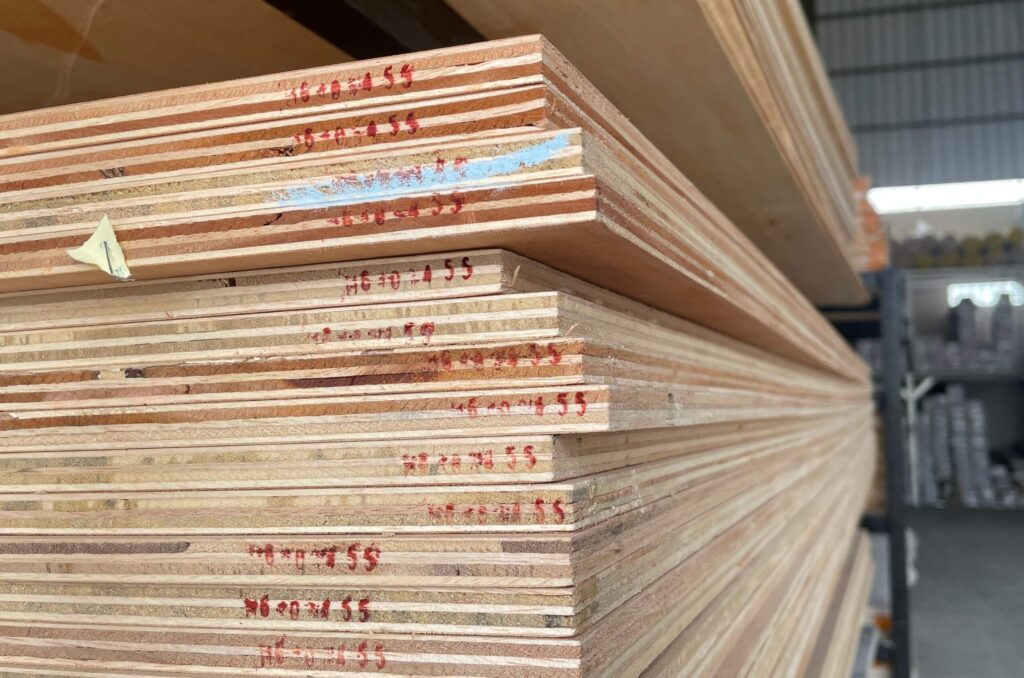
Some projects place a lot of weight on the plywood. Floors must support people, furniture, and other items. Roof panels must hold roofing materials while standing up to changing weather. For these jobs, look for structural panels made for load-bearing use. Check the stamp printed on the sheet. It may show the grade, thickness, exposure rating, and span rating. The span rating helps show how far the panel can safely reach between supports. Do not choose structural plywood based only on how thick it looks. The panel markings give useful details about how it was made and where it can be used.
Compare Plywood With OSB
Plywood and oriented strand board, or OSB, are both used for walls, roofs, and subfloors. Plywood is made from thin layers of wood placed in different directions and bonded together. OSB is made from wood strands pressed into panels. Both can provide strong support when the correct product is used. The better choice may depend on the building plan, moisture exposure, price, and the finish you want. Cardinal Lumber carries both plywood and OSB structural panels, giving homeowners and contractors options for different types of work.
Inspect Each Sheet Before Buying
Before buying a sheet, check its surface and edges. Look for large cracks, damaged corners, deep gaps, or signs that the layers are pulling apart. A small amount of bending may be normal, but a badly warped panel can be harder to install. If the plywood will stay visible, look for a clean face with a grain pattern that works for your design. Also check that every sheet has the correct thickness and rating. This simple step can help prevent delays once the work begins.
Find Plywood in Patterson, LA
The best plywood is the one that matches your project, location, strength needs, and desired finish. Cardinal Lumber supplies Plywood in Patterson for construction, remodeling, woodworking, roofing, flooring, walls, cabinets, and shelving. The team can help you compare plywood, OSB, and other sheet goods based on your plans and budget. Contact Cardinal Lumber or request an estimate today to get the right materials for your next project.