For many metal roofs installed over solid decking, an approved synthetic underlayment or a high-temperature self-adhered membrane can be a good choice. The right underlayment for metal roof projects depends on the panel system, roof slope, heat exposure, and deck beneath it. Traditional felt may also be allowed in some systems. Start with the roofing manufacturer’s requirements rather than choosing by price alone. Cardinal Lumber offers roofing supplies for homeowners and builders across South Louisiana.
What Does Metal Roof Underlayment Do?
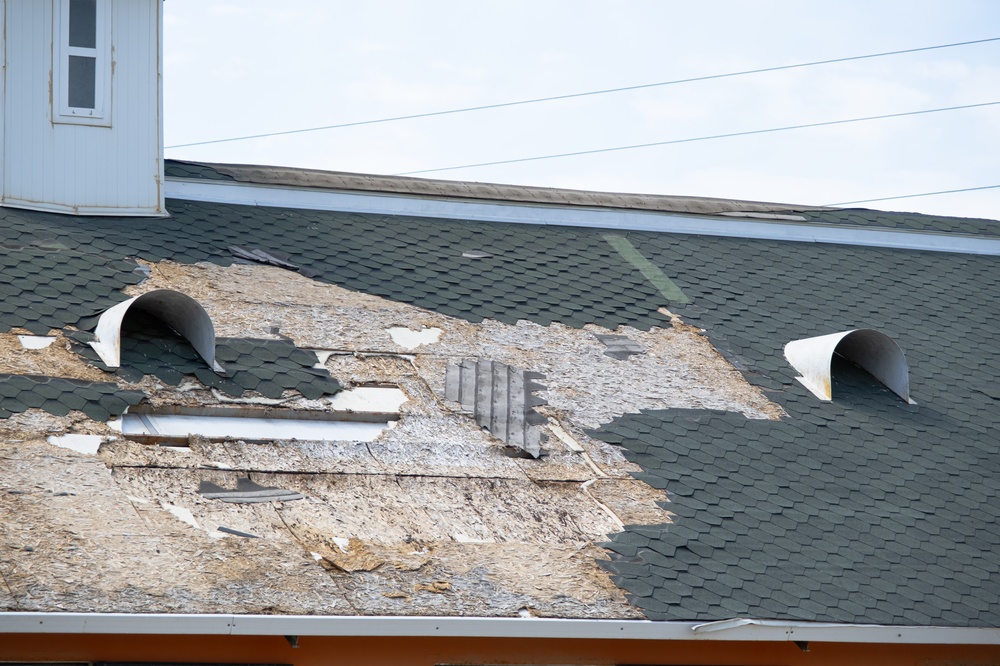
Roof underlayment is the layer placed between the roof deck and the metal panels in many roof systems. It provides added protection if water gets past the roof covering. The panels remain the main defense against rain, while the underlayment helps protect the wood below. It does not replace well-installed flashing, sealed joints, or sound decking. Think of it as one part of a complete water-shedding system, rather than a way to fix problems with the metal roof itself.
When Is Synthetic Underlayment a Good Choice?
Synthetic underlayment is made from manufactured materials rather than traditional asphalt-saturated felt. Many products are light, strong, and available in wide rolls, which can help installers cover the deck with fewer seams. However, the word “synthetic” does not mean a product suits every roof. Choose one approved for the metal panels and expected temperatures. Some products are designed for other roof coverings. When comparing metal roofing supplies, review the underlayment specifications along with the panel instructions so the layers work together.
When Should You Use Peel-and-Stick Underlayment?
Self-adhered underlayment, often called peel-and-stick, bonds to the roof deck after its backing is removed. Some products provide added water protection and seal around properly installed fasteners. Depending on the roof design, an approved membrane may be used across the full deck or in selected areas. High-temperature membranes are made for applications where heat resistance is needed beneath the roof covering. They are different from basic peel-and-stick products, so check the intended use. A product sold for shingle roofing is not automatically suitable beneath metal.
Can You Use Felt Under a Metal Roof?
Asphalt-saturated felt is still allowed by some metal roofing manufacturers. It can provide a water-resistant layer when the correct product is installed as directed. That does not mean any roll of felt will meet your project’s needs. The required grade, number of layers, roof slope, and installation details can vary. Compare the approved underlayment options listed for your panel system before buying. Felt should be selected because it meets the roof specifications, rather than simply because it is familiar or already on hand.
Why Does the Heat Rating Matter?
The space beneath metal roofing can become hot, and temperatures vary with the climate, roof color, metal type, and roof design. Heat resistance matters because the underlayment must perform in those conditions. Some high-temperature products use adhesives designed for that exposure, while standard products may have different limits. There is no single rating that makes every product suitable for every metal roof. Check the published temperature limits and any restrictions for the chosen metal. This is especially useful when comparing products that look similar on the shelf.
Match the Underlayment to the Roof Slope and Deck
Roof slope affects how quickly water drains and which metal panel systems can be used. A stronger underlayment does not make a panel suitable below its minimum permitted slope. The structure beneath the panels matters, too. Some roofs use solid decking, while others use approved open framing systems with different details. If your roof needs new decking, choose plywood and structural panels that meet the project plans. Confirm the full roof assembly before selecting the underlayment, especially when replacing an older roof with a different panel style.
Plan for Moisture and Proper Installation
Good moisture control involves more than blocking rain. Some membranes limit the movement of water vapor, which can affect how the roof assembly dries. The roof design must account for that, including ventilation or other planned moisture controls. Underlayment cannot solve damp attic conditions on its own. During installation, the deck should meet the product’s requirements for dryness, cleanliness, and surface condition. Correct overlaps, fastening, and flashing connections also matter. Follow the stated installation requirements, including how long the material may remain exposed before the metal panels are installed.
Find the Right Underlayment for Your Roofing Project
Bring your panel specifications, roof slope, and installer’s material list when shopping for roofing supplies. As a Lumber & Building Supplier in Louisiana, we can help you review available products against your project needs. Include underlayment, flashing, fasteners, and decking repairs in the same estimate so you can plan the full material order. Ready to get started? Contact our Patterson building supply team to discuss your metal roofing materials and request an estimate.