
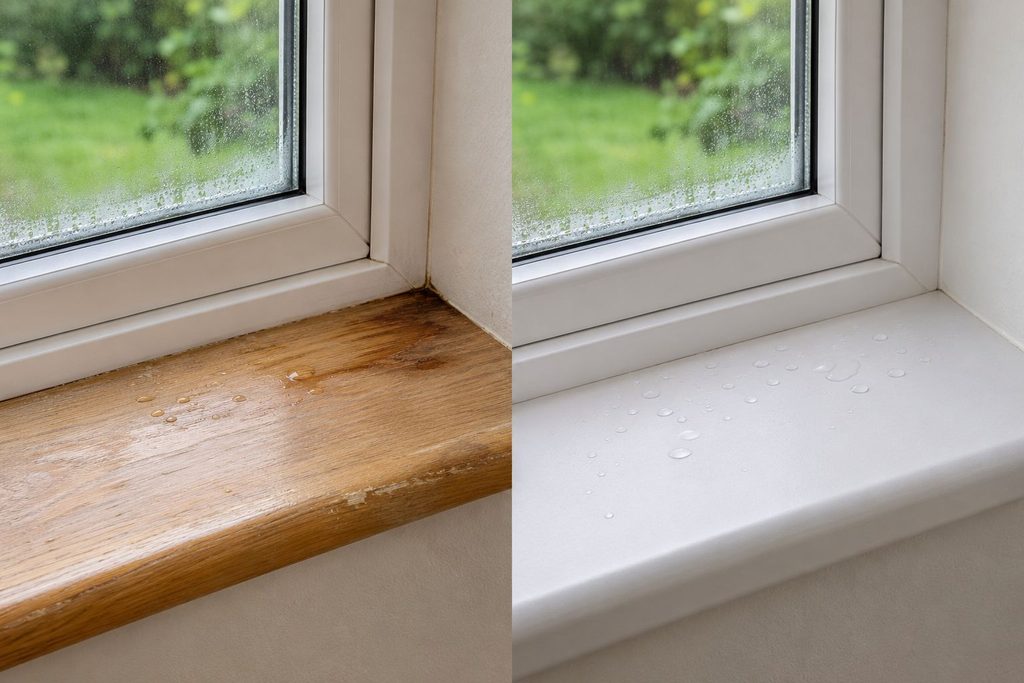
Cellular PVC usually handles moisture better than wood. It absorbs very little water and resists rot, making it a useful choice where a sill may get wet often. Wood can still work well when it stays dry and has the right finish, but repeated wetting can cause swelling and decay. Before choosing PVC window sills or wood, look at where the sill sits and why it gets wet. Comparing building supplies in Patterson is easier when you know the size, use, and moisture conditions of the space.
Start With the Right Part of the Window
People often use “window sill” to mean the flat ledge inside the room. That piece is also called an interior window stool. The exterior sill is outside, where it helps shed rain away from the window. These parts face different conditions and may need different products. An indoor ledge may get wet from condensation or a plant pot, while an outside sill faces rain and sun. Tell your supplier which part you are replacing. Choose a product approved for that use, and remember that a finish trim board should not replace structural framing.
How Moisture Affects Wood Sills
Wood takes in and releases moisture as conditions change. When it gets wetter, it can swell. As it dries, it can shrink. Over time, this movement may lead to cracks, gaps, or peeling paint. If wood stays damp, rot can become a problem. The type of wood, its finish, and how quickly it dries all affect how it holds up. When choosing wood window sills, protect cut ends and other exposed surfaces with the finish recommended for the job. Ask about lumber for trim work that suits an indoor or outdoor location.
Why Cellular PVC Handles Damp Spots Better
Unlike wood, cellular PVC takes in very little moisture. The material does not rot from repeated contact with water, so it can reduce one common source of sill damage. That makes it worth comparing for damp window areas and exposed trim. Still, moisture-resistant trim is only one part of a sound window. PVC will not stop a leak above the sill or protect wet wood hidden behind it. It also moves as temperatures change, so correct fastening and joint details matter. Follow the product maker’s instructions rather than installing it exactly as you would a wood board.
When Wood Still Makes Sense
A dry indoor window may be a good place for wood, especially when you want to match existing trim. Natural wood grain can suit a stained interior that would be hard to match with a white PVC board. Wood also gives you options for shaping a profile to fit an older home. When discussing custom millwork, bring a photo or sample of the trim you want to match. Plan for a suitable finish and regular checks. Wipe up water promptly, and avoid leaving a damp plant pot sitting directly on the surface.
Installation Matters With Either Material
Replacing a soft or stained sill should start with finding the water source. Rain may enter through a joint or poorly fitted window flashing. Moisture may also collect on the inside of the glass and run onto the ledge. Have damaged material behind the sill checked before covering it. On the outside, the sill needs to shed water away from the house, with window flashing that directs hidden water back out. Keep the window’s drainage paths open and follow its installation instructions. A new board can improve the surface, but fixing the cause helps prevent more water damage.
Compare Finish Care and Full Project Cost
Many white PVC trim products need no paint for protection, though some products require a coating. If you want another color, check the approved paint and color choices, since dark finishes can increase heat buildup. Wood needs a finish suited to its exposure and touch-ups when that finish wears. These maintenance needs belong in your comparison along with the purchase price. Request a material price quote using the same measurements and profile for each option. Include fasteners, adhesives, coatings, and any repairs underneath. The full job may cost more than the sill board alone.
Choose Window Materials With Local Help
PVC is often the better choice for repeated moisture exposure, while wood can suit a dry space where matching the finish matters. The right product also needs to fit the window and the work being done. Cardinal Lumber & Supply provides lumber, windows, mouldings, and custom millwork options for projects across South Louisiana. Bring your measurements, photos, and details about any leaks so our team can discuss suitable materials and confirm availability. Call (985) 395-9589 or contact our Patterson team for help planning your window sill project.